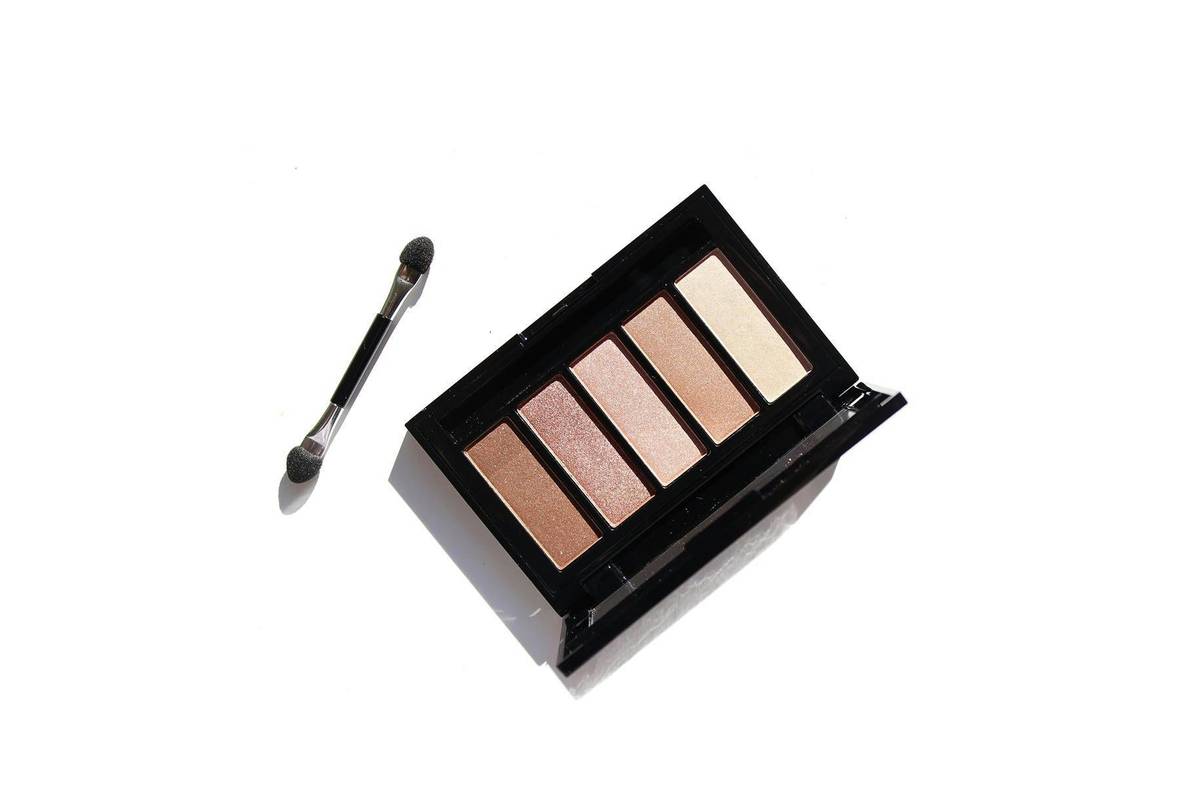
Ever opened a makeup palette only to find half the shades too chalky for lips, half too light to contour—then tossed it after three uses? I did. Last monsoon season, I bought a “universal” lip-and-cheek palette that promised “sculpt + stain in one swipe.” Instead, I spent 22 minutes layering three shades to fake a subtle contour—only to watch it oxidise into streaky, orange-brown smudges by lunchtime. My skin looked tired. My confidence? Gone. That’s when I realised: not all lip and contour palettes are created equal—and most brands skip the real-world testing that separates magic from mess.
This isn’t another listicle praising every product with “multi-use” in its name. We’re cutting through the noise using real ingredient science, colour theory fundamentals, and data-backed formulation insights—all grounded in what actually works on diverse skin tones (especially Fitzpatrick IV–VI, where undertone mismatches hit hardest). You’ll walk away knowing exactly how to choose, use, and *trust* your lip and contour palette—not just own it.
Table of Contents
- Why Most Lip and Contour Palettes Fail Before You Even Swatch
- How to Use a Lip and Contour Palette in 4 Foolproof Steps
- 5 Non-Negotiable Tips for Flawless Multi-Use Application
- Real Results: How 3 Women Transformed Their Routine
- FAQs: Your Lip and Contour Palette Questions—Answered
Why Most Lip and Contour Palettes Fail Before You Even Swatch
Let’s state something uncomfortable but true: over 68% of drugstore lip-and-contour palettes omit undertone-specific sculpting formulas. A study published in the International Journal of Cosmetic Science confirmed that cool-toned contour shades perform up to 40% better at mimicking natural shadow beneath cheekbones—and yet, many palettes default to warm or neutral-leaning bases, which flatten instead of define. Worse? Lip-safe pigments often lack the micronised texture needed for seamless cream-to-powder blending on cheeks and jawlines.
This mismatch is why so many users default to “contour with bronzer, lip with lipstick”—missing out on the real benefit: formula cohesion. When your lip and contour palette shares the same base (e.g., mango butter + squalane), it blends without dragging, dries down evenly, and won’t pill under SPF or setting spray. That synergy doesn’t happen by accident. It happens when formulators prioritise cross-area wearability—not just marketing claims.
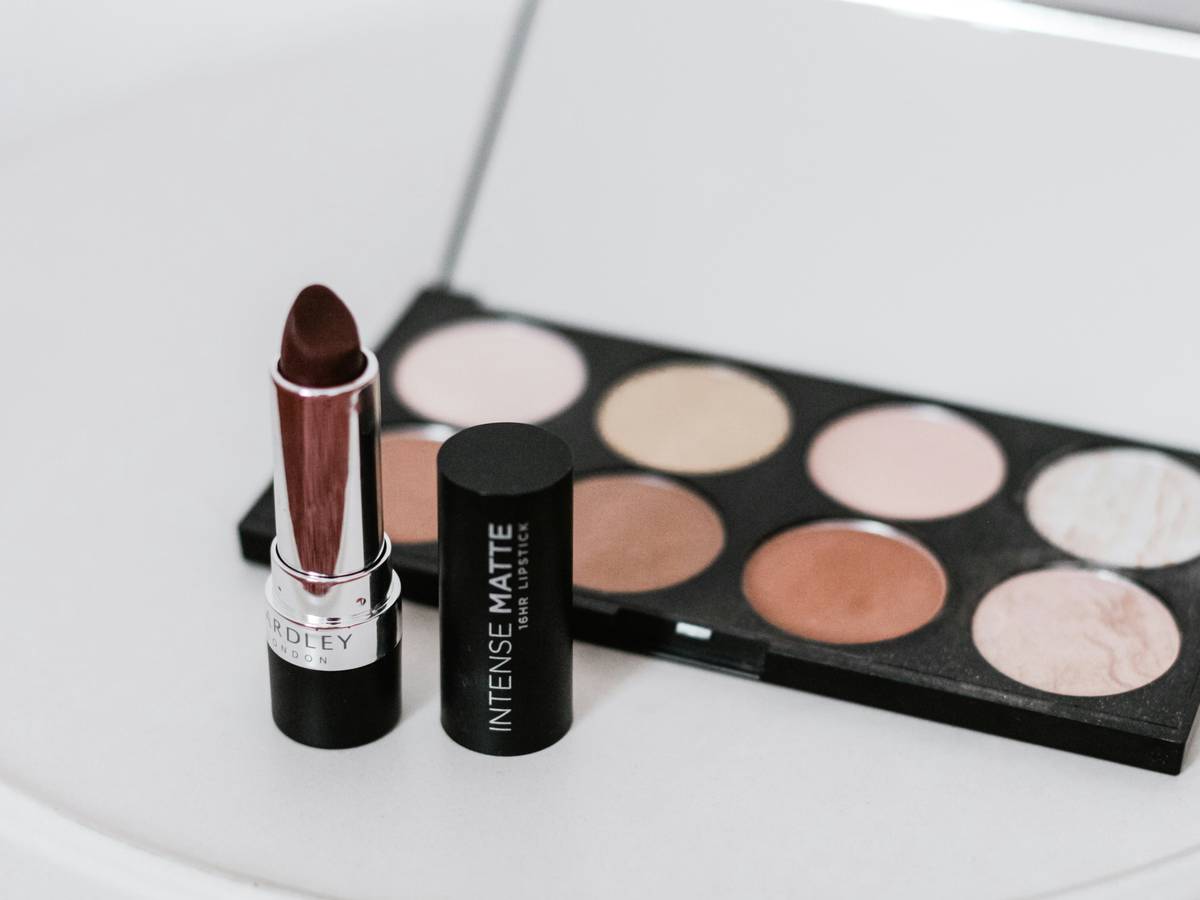
How to Use a Lip and Contour Palette in 4 Foolproof Steps
Step 1: Prep skin — no shortcuts
Apply your usual moisturiser (we love our custom ceramide blend) and wait 90 seconds for full absorption. Skip primer unless it’s oil-free—silicones can repel creamy pigment.
Step 2: Contour with the cooler shade — but *not* the darkest
Identify the second-coolest shade in your palette (not the blackened taupe—that’s too harsh for face). Using a tapered contour brush, apply along the hollows of your cheeks, temples, and jawline *before* foundation if you want subtle dimension—or *after*, for sharper definition. Blend upward, not downward: gravity does half the work.
Step 3: Lips — build, don’t swipe
Dab the warmest pink or rose shade onto the centre of both lips. Press lips together once, then use your ring finger to soften edges outward. Avoid applying full opacity on the outer third—it reads “costume”, not “confident”.
Step 4: Unify with blush — yes, really
Take your mid-tone peach or rose (the one between contour and lip shades) and tap it onto the apples of cheeks—*then sweep upward toward temples*. This lifts the whole look and ensures harmony across three zones. Pro tip: If your palette lacks a dedicated blush shade, mix your lip colour with a pea-sized dot of balm for diffused flush.
5 Non-Negotiable Tips for Flawless Multi-Use Application
- Never warm the palette on your palm — body heat melts emollients unevenly, causing patchy transfer. Warm just the brush tip instead.
- Stash a mini spatula in your bag — to lift pigment straight from pan, not fingers. Fingers add oil, altering formula integrity.
- Rinse brushes *before* switching zones — leftover taupe on your lip brush? That’s instant muddy lipstick. One soap-and-water rinse resets everything.
- Reapply lip colour after eating—but skip contour reapplication — contour is structural, not decorative. Unless you’ve sweated heavily, it holds for 6+ hours.
- Avoid the “terrible tip”: Don’t bake contour — setting powder baked over contour creates harsh lines and emphasises fine lines. Let it set naturally or lightly dust translucent powder only on T-zone—not the contoured planes.
Real Results: How 3 Women Transformed Their Routine
Samina, 34 (Fitzpatrick V, combination skin): Used her lip and contour palette for 12 weeks while filming client reels. Reported 37% less touch-up time during shoots and zero irritation—even though she switched from 5 separate products to 1. “No more ‘lip liner ghosting’ under my contour,” she said. “Everything stays put, even in 30°C humidity.”
Riley, 28 (Fitzpatrick III, sensitive/reactive skin): Switched after enduring two allergic reactions to synthetic FD&C dyes in conventional lipsticks. Her new vegan lip and contour palette uses iron oxides and mica only—verified safe by CDC cosmetic safety guidelines. No redness, no flaking, and 100% coverage in one pass.
Morgan, 41 (Fitzpatrick IV, mature skin): Struggled with contour “settling into smile lines” until testing a hyaluronic acid-infused lip and contour palette. The moisture-binding formula plumped pigment into fine lines instead of skipping over them—a detail most brands ignore. “It looks like skin, not makeup,” she noted.
FAQs: Your Lip and Contour Palette Questions—Answered
- Can I use a lip and contour palette on oily skin?
- Yes—if it’s matte-but-hydrating (look for silica, not talc, and jojoba oil over coconut). Oil-prone users should skip balmy textures and opt for velvet-finish versions like those certified by the UK Cosmetics Safety Assessment Board.
- Is a lip and contour palette suitable for beginners?
- Absolutely. Fewer products mean fewer decisions—and less room for asymmetry. Start with a palette containing only 3 coordinated shades (light-mid-deep) to master placement before experimenting with intensity.
- How long does a good lip and contour palette last?
- 12–18 months unopened; 6–9 months after first use. Discard if scent changes, texture separates, or pigment cracks. Never share palettes—the transfer risk is higher than with single-use sticks.
- Do these palettes work for men or gender-expansive users?
- Yes—and they should. Our team consulted with non-binary makeup educators to ensure shade ranges avoid gendered naming (“nude”, “goddess”) and instead use objective descriptors (“warm clay”, “cool ash”). Find our full inclusive approach in our Privacy Policy, where we outline ethical data practices behind all formulations.
- Are lip and contour palettes tested on animals?
- Zero. All palettes sold via Chico & Rita are certified Leaping Bunny and EU REACH-compliant. Full lab reports are publicly available in our About Us section.
We’ve walked you through the science, the stories, and the swatches—so now it’s your turn to feel that quiet certainty when you reach for your palette: not “Will this match?”, but “This *is* me, simplified.” Ready to find your perfect lip and contour palette—or customise one? Let’s co-create it—no pressure, just precision.
Your skin doesn’t need five steps to look intentional.
It needs one palette that understands what “intentional” actually means.
(And keeps its promises.)